


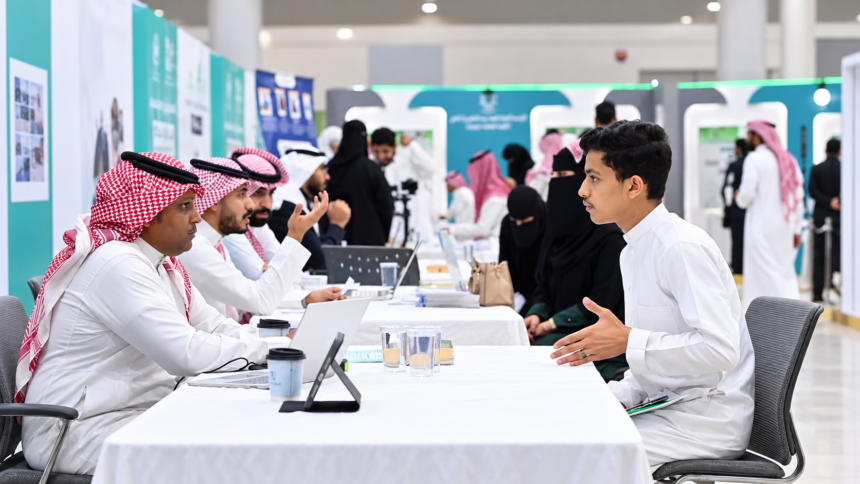
The Graduate Gap: Education and Unemployment in the Arab World
Arab youth unemployment is not primarily an education deficit but a jobs-and-transition problem. Universities are producing more graduates than economies can absorb into skilled work, while weak private sectors, public-sector…


The Future of the Arab Family: Why Young People Are Rewriting the Marriage Bargain
Across Saudi Arabia, the UAE, Kuwait and Jordan, marriage remains socially central but is becoming later, costlier and more negotiated as education, female employment, housing pressures and personal autonomy reshape…
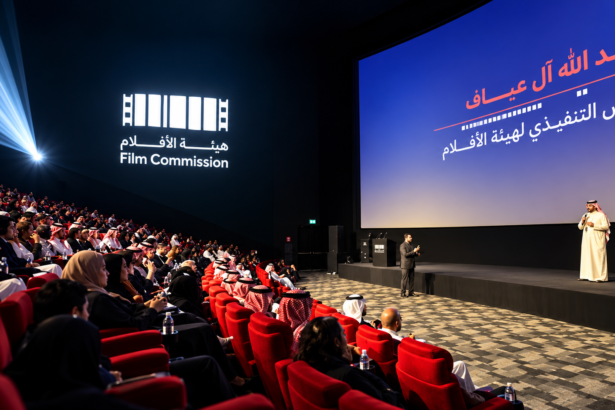
Saudi Arabia’s Cultural Opening Is Becoming a Lifestyle Test
Saudi Arabia’s cultural opening is shifting from headline reforms to everyday lifestyle change, expanding leisure, creative employment and public social space while testing how global entertainment, consumer culture and younger…

From Energy Security to Political Stability: Rethinking the Gulf’s Regional Priorities
Gulf security increasingly depends on more than protecting energy infrastructure and maritime routes. Long-term resilience will require political stability, regional cooperation, economic diversification and sustained engagement with Yemen, the Red…
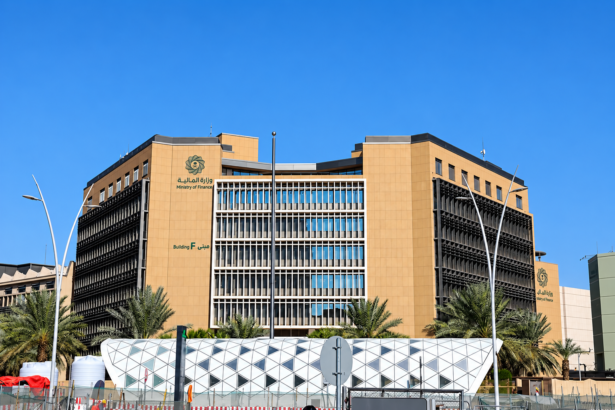
Saudi Arabia’s Debt Test in a World of Costlier Borrowing
Saudi Arabia’s rising borrowing remains manageable, but it is occurring in a world of higher refinancing costs. The crucial question is whether Vision 2030 investment can expand productivity and non-oil…
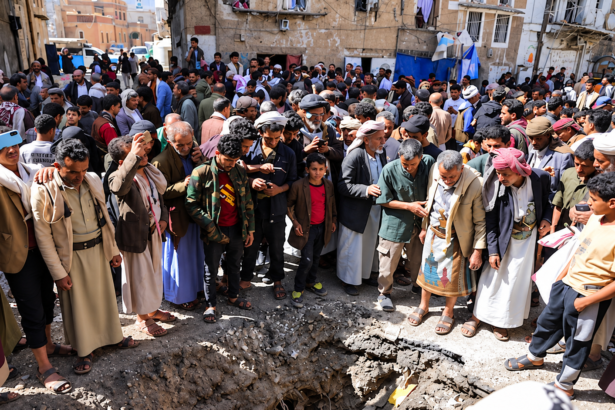
Yemen’s Stability Is a Gulf Interest – Security Alone Is Not Enough
Yemen’s renewed instability shows why Gulf policy must move beyond crisis management. Lasting regional security will depend on combining deterrence with political inclusion, stronger local governance, economic recovery and a…

Two Seas and One Barrel: How Geopolitics Is Rewriting Saudi Oil Logistics
Saudi Arabia’s latest oil disruptions show that energy competitiveness increasingly depends on logistics as well as production costs, making pipelines, ports, tankers, insurance and alternative routes strategic assets in an…

Red Sea Turmoil and Pakistan’s Maritime Future
Red Sea instability increasingly affects Pakistan through shipping costs, energy exposure and maritime security risks. At the same time, regional disruption could create opportunities for Pakistani ports-provided infrastructure, governance and…
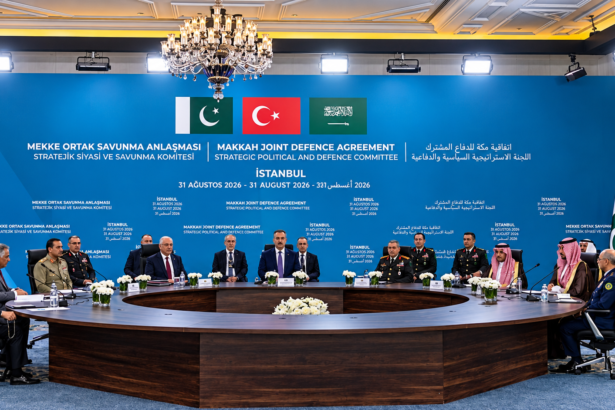
The Makkah Pact and the Risk of New Fault Lines
The Makkah Joint Defence Agreement signals a stronger regional role for Saudi Arabia, Türkiye and Pakistan, but its broader significance will depend on whether collective deterrence can coexist with wider…
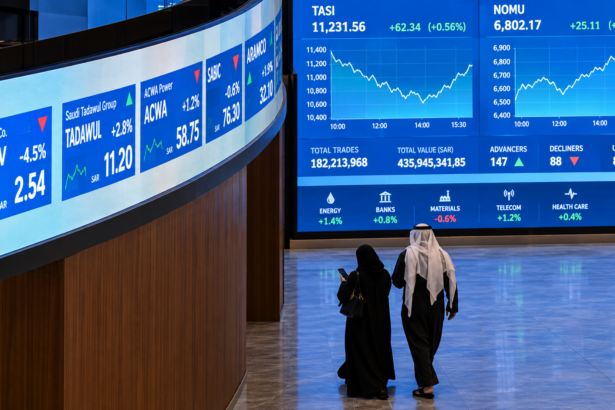
Why the Gulf Cannot Afford Endless Conflict with Iran
The Gulf’s diversification drive has raised the economic cost of prolonged conflict. The war with Iran suggests that deterrence remains central, but diplomatic channels may become equally important in limiting…
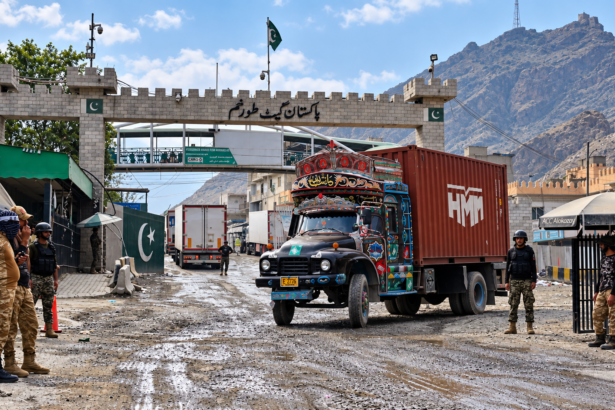
Beyond Strategic Depth: Rethinking Pakistan’s Afghanistan Policy
Pakistan’s Afghanistan policy needs to move beyond assumptions of strategic alignment and focus more directly on national security interests. The real test is whether Kabul can deliver verifiable action against…
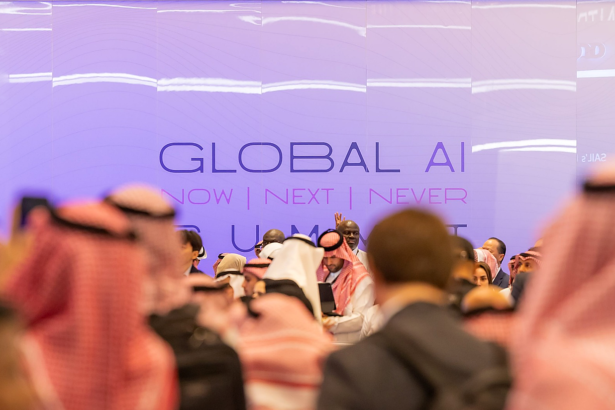
The Next AI Risk Is Not Intelligence – It Is Authority
As artificial intelligence moves from answering questions to taking real-world actions, governance must focus on the authority systems receive. Saudi Arabia could help develop practical standards linking greater AI autonomy…
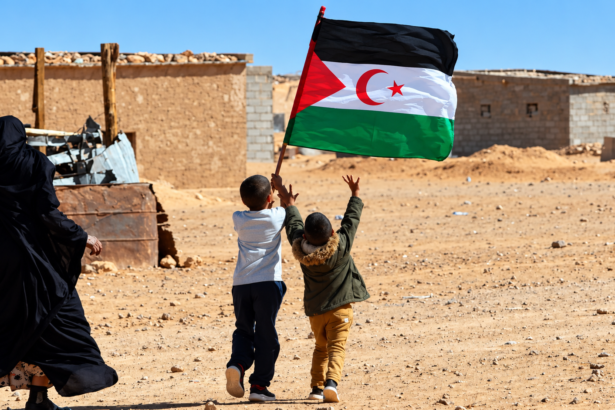
Western Sahara: Independence Is Fading, but Not Legally Dead
Western Sahara’s legal claim to self-determination remains intact, but diplomatic momentum has shifted sharply toward autonomy under Moroccan sovereignty. The conflict’s future now depends less on whether independence is lawful…
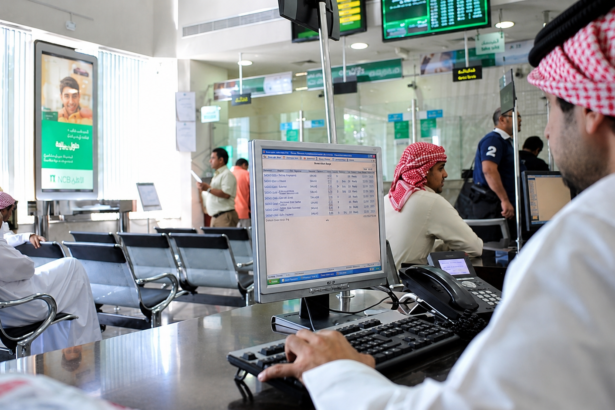
Saudi Banking Has Gone Digital. The Harder Test Is What Comes Next
Saudi Arabia’s financial system has moved beyond basic digitisation. The next phase will depend on whether open banking, artificial intelligence and transaction data can improve SME lending, financial inclusion and…
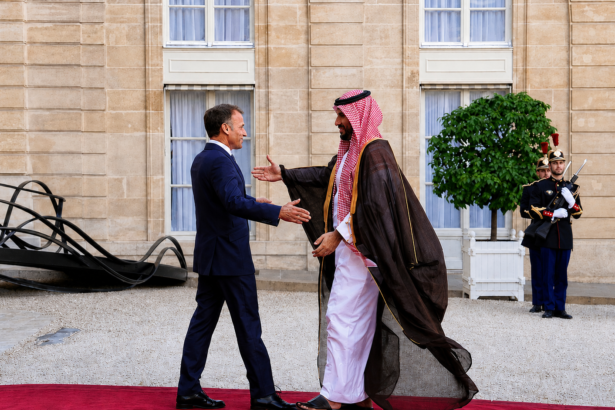
The Saudi-French Partnership: A New Role for Saudi Capital
Saudi-French relations are shifting toward a more reciprocal investment model, combining French expertise inside Saudi Arabia with growing Saudi capital deployment abroad. The Paris entertainment project will test whether this…
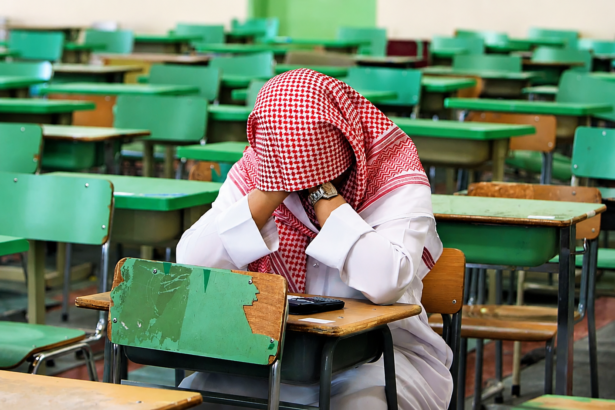
The Gulf’s Education Paradox: More Investment, Uneven Results
Gulf education systems have moved beyond the challenge of access and infrastructure, but learning outcomes still lag ambitions. Their next phase of reform depends on better teachers, stronger accountability, relevant…

Wordle
Guess words from 4 to 11 letters and create your own puzzles.

Letter Boxed
Create words using letters around the square.

Magic Tiles
Match elements and keep your chain going.

Chess Reply
Play Historic chess games.