



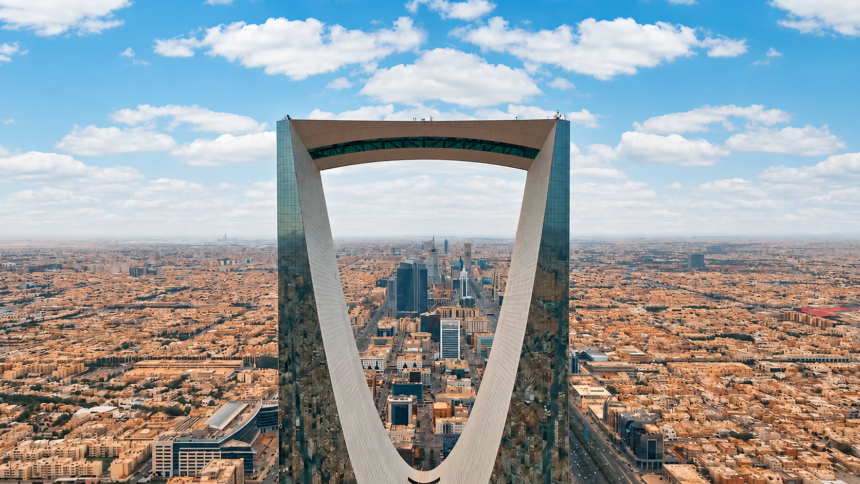
Saudi Arabia’s decision to open more of its property market to non-Saudis is more than a real-estate reform. Combined with wider access to the stock market and residency incentives linked to property, it is creating a new architecture for attracting foreign capital. The opportunity is obvious; the harder question is whether that capital will finance new supply or simply bid up assets in cities where affordability is already strained.
A broader gateway
The new Real Estate Ownership System for Non-Saudis took effect on January 22, 2026. The Real Estate General Authority says residents, non-residents and foreign companies can now apply through the Saudi Properties portal, subject to geographical and regulatory controls. Riyadh, Jeddah, Makkah and Madinah are governed by designated ownership zones, while ownership in the two holy cities remains restricted to Saudi companies and Muslim individuals.
This is not an isolated opening. From February 1, the Capital Market Authority abolished the Qualified Foreign Investor framework and allowed all categories of foreign investors to participate directly in the Main Market. That gives overseas investors another route into the property story through listed developers, banks and companies with real-estate exposure, without requiring direct ownership of a building or plot.
Residency adds a third layer. Saudi Arabia’s Premium Residency Center offers a Real Estate Owner Residency product for qualifying residential property ownership or usufruct worth at least SAR4 million, with residency tied to continued ownership. The design suggests that the first wave of demand may be concentrated among affluent expatriates and high-net-worth investors rather than mass-market buyers.
Who will buy?
There is evidence of genuine interest, though survey appetite should not be confused with committed capital. Knight Frank’s 2026 Destination Saudi research, based on 1,550 respondents, found Riyadh was the preferred Saudi property destination for 55% of international investors, followed by Jeddah at 46%. The consultancy estimated that about $1.5 billion of private capital was targeting the residential market and another $3.4 billion was interested in branded residences.
That points to an immediate advantage for developers, particularly those selling premium apartments, mixed-use projects and branded homes. Foreign buyers can broaden the customer base, improve presales and make large projects easier to finance. But the real economic gain would come if foreign demand encourages developers to add supply rather than merely reprice existing stock.
The affordability test
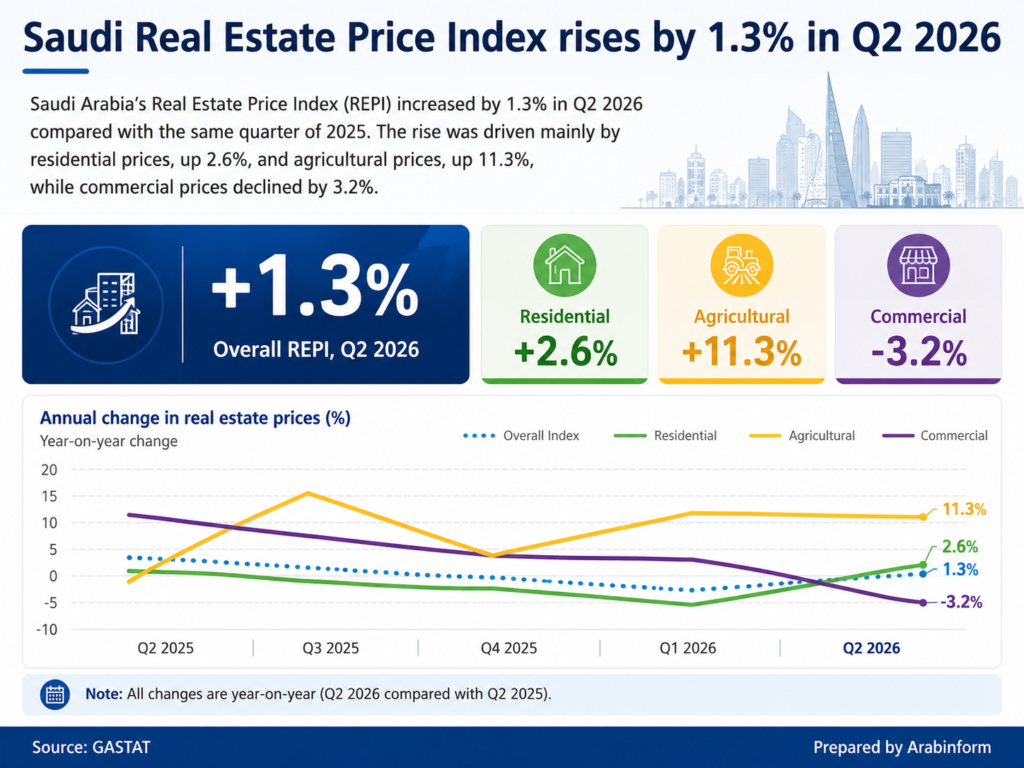
That distinction matters in Riyadh. Knight Frank reported that residential transaction volumes and values in the capital fell 82% year-on-year in the first quarter of 2026, amid affordability pressure, softer mortgage demand and regional uncertainty. It also estimates Riyadh will need more than 305,000 additional homes by 2034 to accommodate population growth.
Foreign money therefore cuts both ways. If it funds construction, infrastructure and rental stock, it could deepen the market and ease supply constraints over time. If it concentrates on scarce land and completed prime units, it could reinforce the very affordability problem policymakers are trying to manage. The key question is not how many foreign buyers arrive, but where their money goes.
Can Riyadh challenge Dubai?
Riyadh and Jeddah are now becoming more credible competitors for Gulf property capital, especially because Saudi demand is linked to corporate relocation, tourism, mega-projects and a much larger domestic population. Yet Dubai still sets a high benchmark for liquidity and familiarity: Dubai Land Department reported AED252 billion in real-estate transactions in the first quarter of 2026, across 60,303 transactions.
Saudi Arabia does not need to replicate Dubai to succeed. Its model is likely to be more selective, using zones, ownership limits and residency rules to steer capital toward strategic locations. The risk is that excessive restriction reduces liquidity; the opposite risk is that rapid liberalisation turns housing into an international investment asset faster than supply can respond.
The real test of the reform will be visible not in headline sales to foreign buyers, but in construction volumes, rental affordability, market transparency and the depth of secondary trading. If those improve together, foreign ownership could become a useful part of Vision 2030’s investment strategy. If prices rise faster than supply, the political and economic trade-off will become much harder to ignore.