

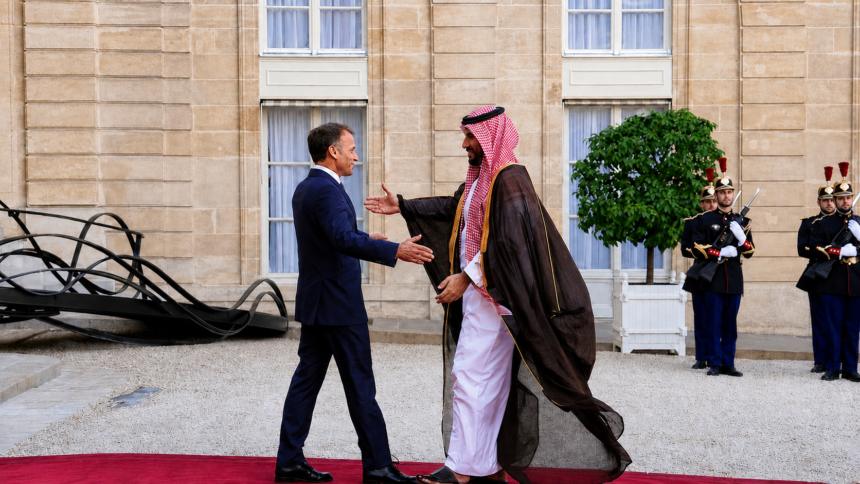
The relationship between Saudi Arabia and France is becoming more than a conventional diplomatic partnership. Now, it includes tourism, culture, energy, infrastructure, technology and investment. Crown Prince Mohammed bin Salman’s recent visit to Paris offered a clear example of how that relationship is changing.
According to Reuters, Saudi Arabia plans to invest €6 billion in three entertainment parks near Paris, including one based on the Dragon Ball franchise. The project is expected to create about 22,000 jobs. At first glance, a Saudi investment in theme parks in France may seem unusual. In a broader context, however, it reflects a deliberate shift in how Saudi Arabia approaches investment abroad. The point is not simply to put Saudi money into another country. It is to invest in sectors with long-term potential while gaining access to international markets, partners and operating experience.
A Relationship that Works both Ways
For years, much of the economic relationship followed a familiar pattern. French companies brought technology, expertise and services to Saudi Arabia, while Saudi Arabia provided a large and rapidly changing market. The partnership in AlUla is a good example. Since the 2018 agreement between the two governments, France has played a major role in developing AlUla’s tourism, heritage, archaeology, urban planning and cultural infrastructure. The French government describes AlUla as one of the central projects in the bilateral relationship. French companies have also become involved in Saudi projects in energy, water, transport and renewable energy. Alstom, for example, is involved in Riyadh Metro, while EDF Renewables and TotalEnergies have participated in Saudi renewable-energy projects.
This direction is now becoming more balanced. During the Crown Prince’s visit, Saudi Aramco announced agreement with French companies worth more than $3.7 billion, covering industrial equipment and technology, as well as cooperation on industrial artificial intelligence. At the same time, Saudi capital is moving into France through €6 billion entertainment project. That matters because it shows a relationship in which both sides increasingly have something substantial to offer.
Why Entertainment?
It would be easy to dismiss a theme park as a lighter investment than energy, infrastructure or technology. But entertainment has become a major global industry, closely connected to tourism, hospitality, media and consumer spending. Saudi Arabia has spent years developing its own entertainment and tourism sector through projects such as Qiddiya and AlUla. Investing in a major entertainment destination in Europe adds another dimension to that effort.
France is also a logical market for a project of this scale. Paris has an established international tourism industry, extensive transport links and a large visitor base. A project near the capital can therefore build on an ecosystem that already exists. The choice of Dragon Ball is also significant. The franchise has a global audience, making it suitable for a destination aimed at international visitors. Reuters reported that Crown Prince Mohammed bin Salman and President Emmanuel Macron discussed their shared interest in Dragon Ball Z during Macron’s 2025 visit to Saudi Arabia.
Why International Investment Matters
Investment abroad is sometimes treated as separate from domestic economic development. But in fact, it does not have to be. A successful international investment can generate financial returns while giving Saudi companies and investment institutions exposure to different markets, business models and management practices. It can also create relationships that support future investments. That fits the broader direction of Vision 2030.
The goal is not only to create new industries inside Saudi Arabia, but also to develop Saudi companies and investment institutions capable of operating internationally. This is why the French project can be viewed alongside Saudi Arabia’s domestic investments in tourism and entertainment. Qiddiya and AlUla are designed to create major destinations inside the Kingdom. An international investment near Paris places Saudi capital in a different market and gives Saudi investors experience in a mature international tourism environment. The two approaches can complement each other.
The entertainment project is only one part of a much larger relationship. Saudi Arabia and France cooperate across energy, transport, water, aviation, culture and technology. The AlUla partnership remains one of the most visible examples, while French companies continue to participate in major Saudi projects. The diplomatic relationship is developing alongside the commercial one. During the visit, Saudi Arabia and France held the first meeting of their Strategic Partnership Council, with discussions covering economic and strategic issues as well as regional and international affairs. This matters because investment does not happen in isolation. Long-term commercial relationships are easier to build when governments maintain strong diplomatic channels and businesses understand each other’s markets.
A New Role for Saudi Capital
Perhaps the most interesting part of the Paris visit is the direction of the relationship. Saudi Arabia continues to attract international companies and expertise into the Kingdom. At the same time, Saudi investors are becoming more active abroad. There is no contradiction between the two. A growing economy can invest at home while building a global investment portfolio, provided each investment has a clear rationale. The Saudi-French relationship illustrates that shift particularly well. French expertise has helped Saudi Arabia develop projects such as AlUla, while Saudi capital is now helping finance projects in France.
The relationship is becoming more reciprocal, with both countries creating opportunities for the other. That is what makes the investment in France interesting. It is not simply a story of a Saudi-funded theme park. It is part of a broader change in how Saudi capital operates internationally. If these investments are selected carefully and managed well, their value will extend beyond the projects themselves. They can generate returns, strengthen Saudi companies, deepen international partnerships and build experience that can serve the Kingdom for years to come.
Disclaimer: Views expressed by writers in this section are their own and do not necessarily reflect The Arabinform Journal point of view.
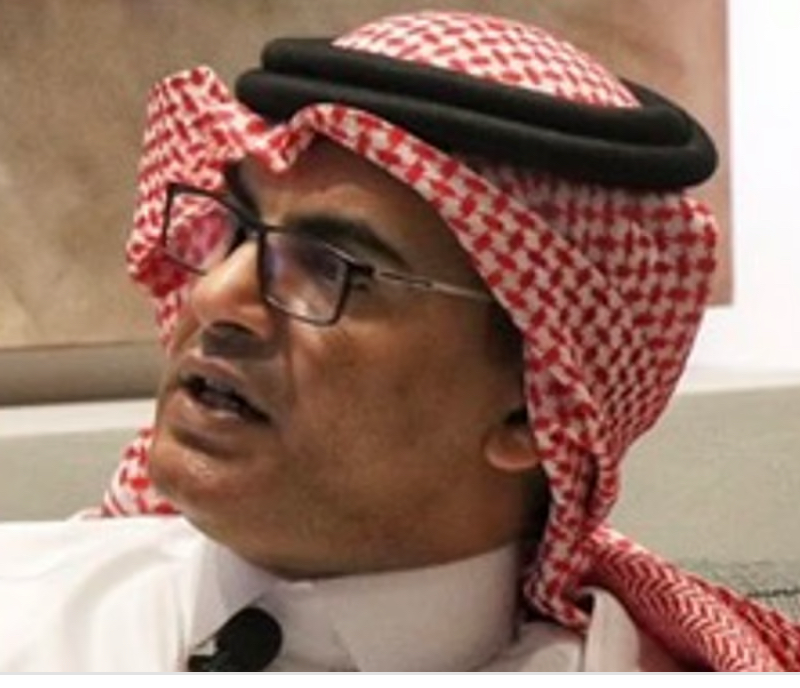
A Saudi legal counsel, columnist and non-resident researcher at the Gulf Research Center. He holds a PhD in International Law and International Relations from Flinders University, Australia. He regularly contributes legal and political commentary to Saudi and regional publications, including Al Watan and Araa Around the Gulf. X: @SamiTAlrashidi